Process water
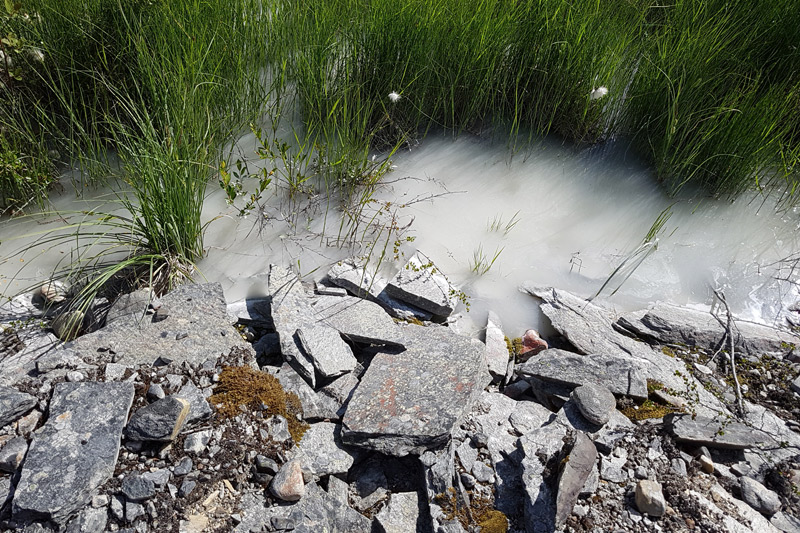
Process water carries defined, often high contaminant levels. Understand why its stable flows and composition shape treatment needs.
Stormwater
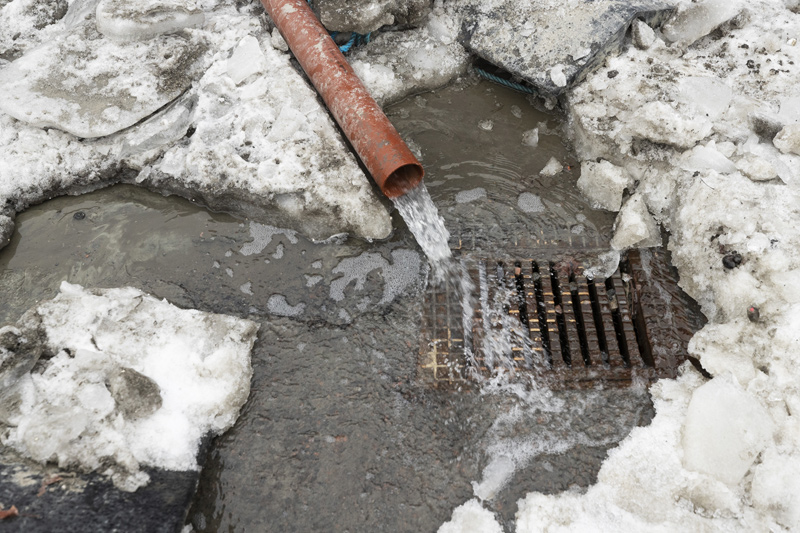
Stormwater carries varying pollutants and fluctuates with weather. Understanding these factors is key to choosing the right treatment approach.
Leachate
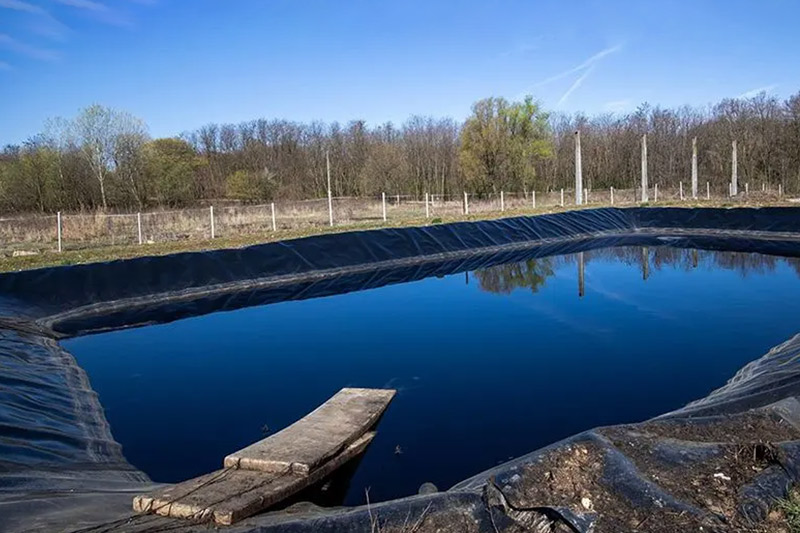
Leachate forms when water passes through waste and picks up diverse pollutants. Learn how its fluctuating flows and complex chemistry affect treatment.
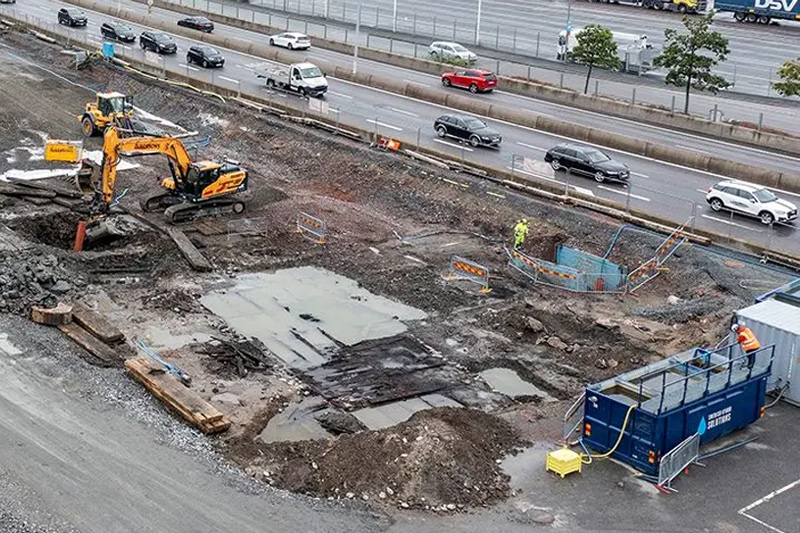
Dewatering water
Dewatering water varies with weather and site activity. Understand its flow patterns, contaminants, and what they mean for treatment.
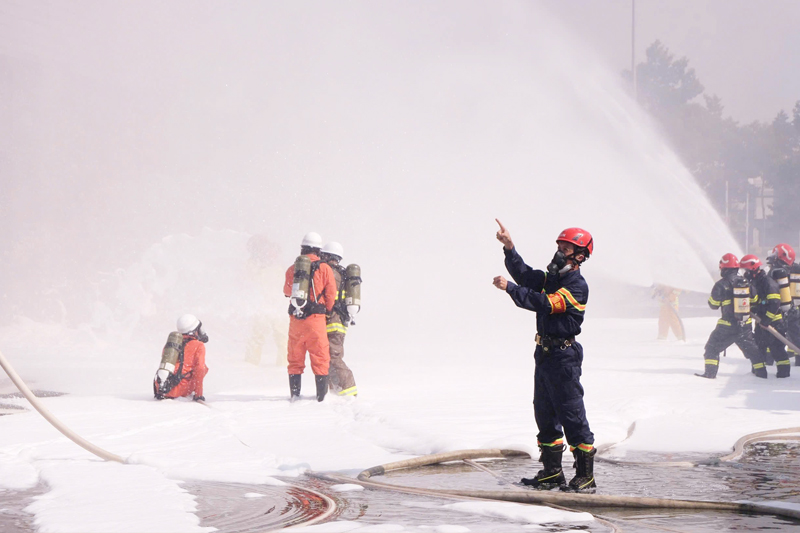
Extinguishing water
Extinguishing water often contains PFAS and other pollutants from firefighting. Learn why its composition varies and how it affects treatment.
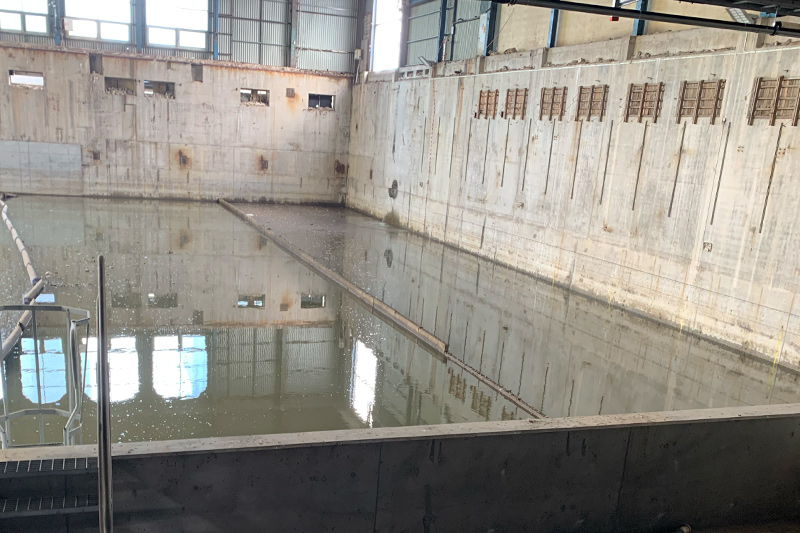
Industrial stormwater
Industrial stormwater often contains metals, oils, and chemicals. Understand how site activities and flows affect treatment requirements.
Do you have questions about different water types?
Need support identifying contaminants or choosing the right treatment method for your project? Get in touch, and one of our specialists will guide you further.