FluorofIX® from SciDev
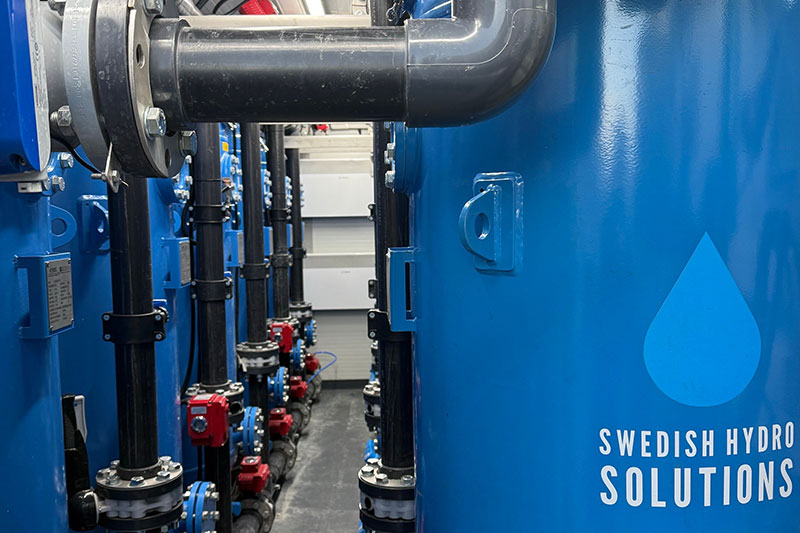
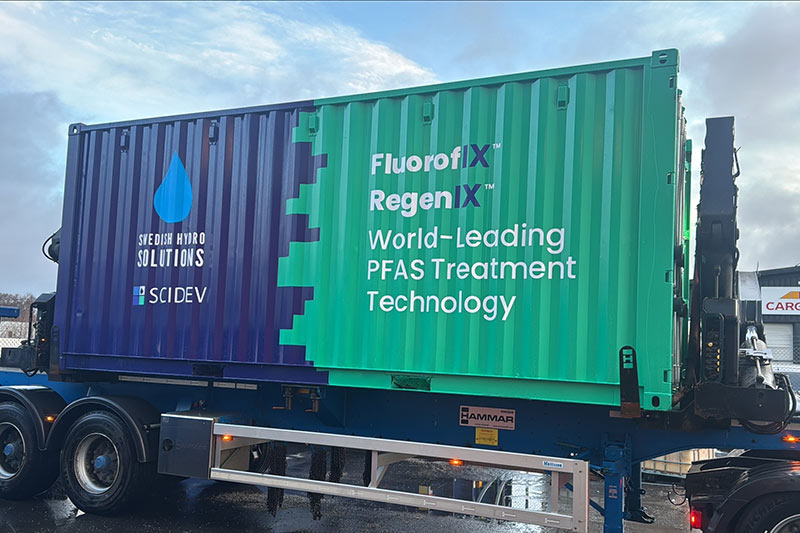
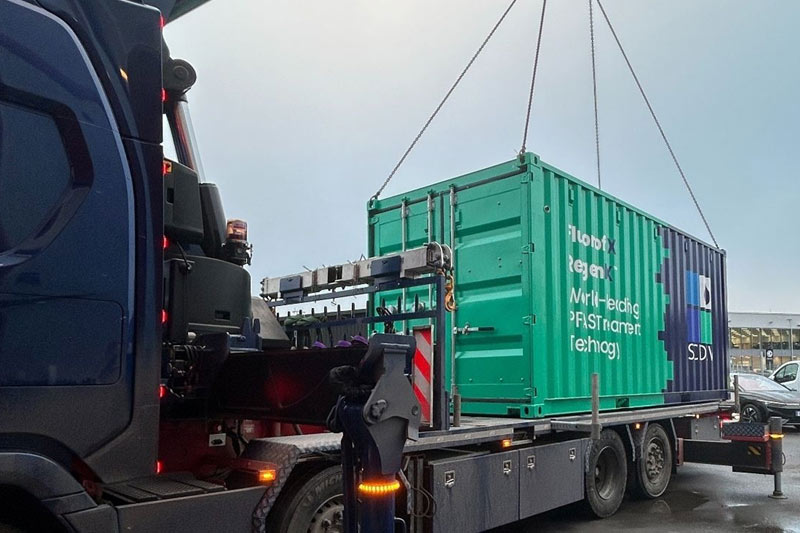
Swedish Hydro Solutions uses SciDev’s ion exchange technology, including FluorofIX® – a specially developed ion exchange technology that effectively and safely removes PFAS from contaminated water. The technology prevents breakthrough of contaminants, minimizes waste by-products, and enables treatment down to the lowest detection limits through optimized processes with strong and weak bases.
FluorofIX® systems are mobile and modular, making them easy to install and adapt for the treatment of contaminated surface water, groundwater, and liquid waste – even at high contamination levels. After treatment, the water can be safely discharged into the environment.
RegenIX™, which is integrated into the system design, regenerates ion exchange media on-site without significant additional costs and can reduce operating costs by up to 79%. The non-combustible regeneration solution generates a liquid-based waste stream that can be used in PFAS destruction technologies.
Activated carbon och BioMedia®
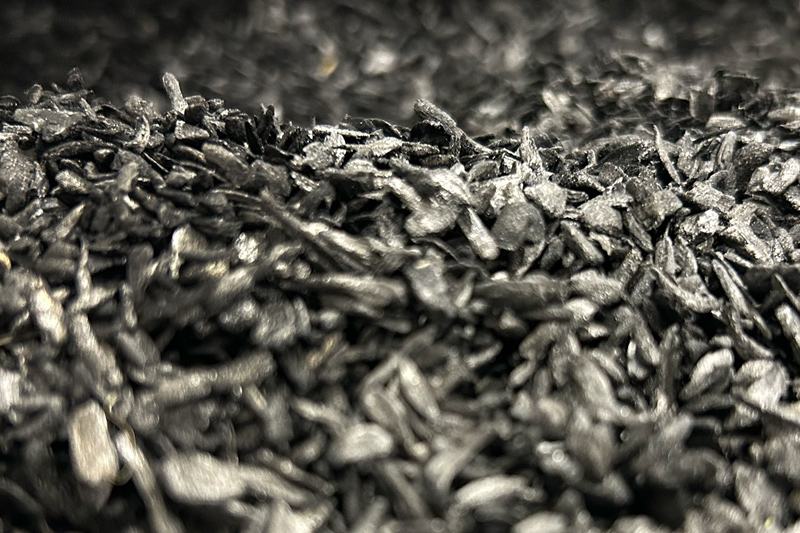
Activated carbon (GAC) and BioMedia® are both filter materials used to bind and adsorb contaminants, including long-chain PFAS compounds, but they work in different ways. Activated carbon is effective for removing organic substances and PFAS through adsorption on the surface of the carbon particles.
BioMedia®, on the other hand, is a biodegradable filter material that combines physical and biological filtration. It is particularly useful in long-term water treatment or when a more sustainable alternative is desired. BioMedia® can also promote the biological degradation of certain substances, making it effective in long-term applications.
These materials are often combined to handle both PFAS-contaminated water and elevated levels of other contaminants, such as metals.
More PFAS-related content

Learn more about PFAS
Learn more about what PFAS are, why they pose environmental and health risks, and which treatment methods are most effective for different PFAS types.
Short PFAS chains
Short PFAS chains—typically containing four to five carbon atoms, such as PFBA and PFBS—are more water‑soluble and mobile than long‑chain compounds.
Ultrashort PFAS chains
Ultrashort PFAS chains are highly water‑soluble compounds with two to three carbon atoms, making them extremely mobile and difficult to treat.
Facing challenges with PFAS?
Treating PFAS is often a complex process. Reach out to our experts today, and let’s work together to find an effective solution for your project.