Stormwater
Stormwater is rainwater or melted snow that runs off from roofs, roads, and other impervious surfaces. When heavy rain or rapid snowmelt occurs, stormwater can collect pollutants from these surfaces, such as oil, heavy metals, chemicals, and debris, before flowing downstream and eventually reaching rivers, lakes, or even groundwater. Since stormwater has specific characteristics that influence both treatment and management, it is important to understand these in order to plan and implement the correct treatment processes.
Irregular flow rates
Stormwater flow varies depending on weather conditions such as rainfall and snowmelt. Large amounts of precipitation can result in high flow rates, while prolonged dry periods may lead to low or even negligible flows. These variations impact both the treatment process and the capacity of the treatment system.
Diffuse pollution and varying concentrations
Stormwater collects pollutants from many different sources, such as oil, heavy metals, chemicals, and debris on roads, roofs, and other impervious surfaces. Since the water runs off from large areas and is mixed from multiple sources, pollutant concentrations vary depending on where the water is collected and how much time has passed since the last rainfall. During heavy rain, large amounts of dirt and particles may be washed away, while breaks in precipitation can lead to more concentrated pollutants.
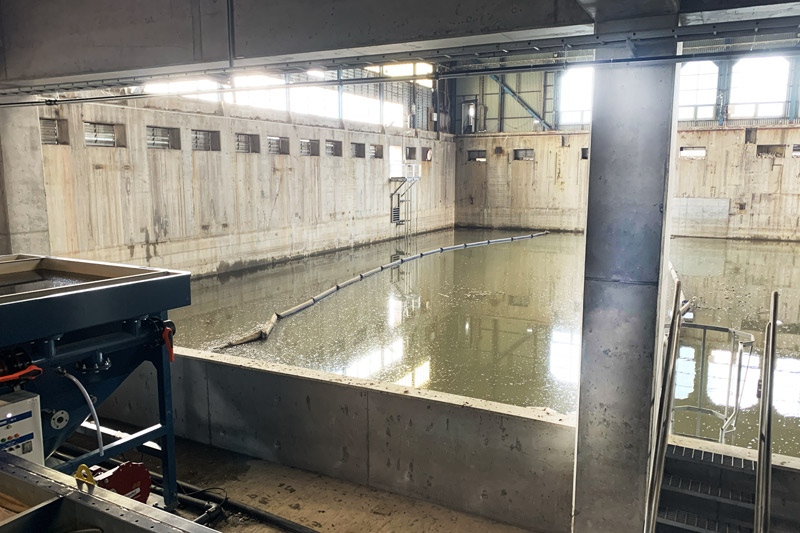
Read about the Stena Recycling project, where we installed a stormwater system to manage large volumes of water from their stormwater pond.
Stena Recycling
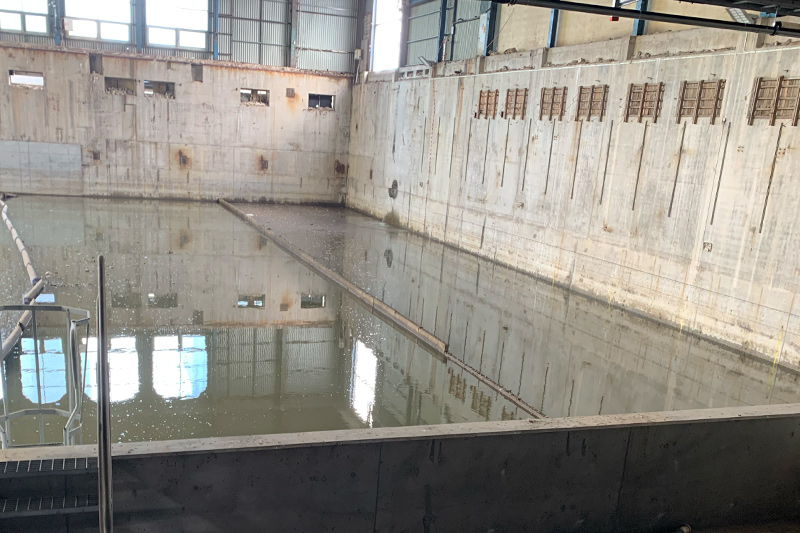
Stena faced high volumes of industrial stormwater after a new retention pond was taken into operation, requiring a robust and reliable treatment setup.
Do you have more questions about stormwater?
Need support assessing stormwater conditions or choosing the right treatment method for your site? Get in touch, and one of our specialists will guide you further.
More water types
Process water
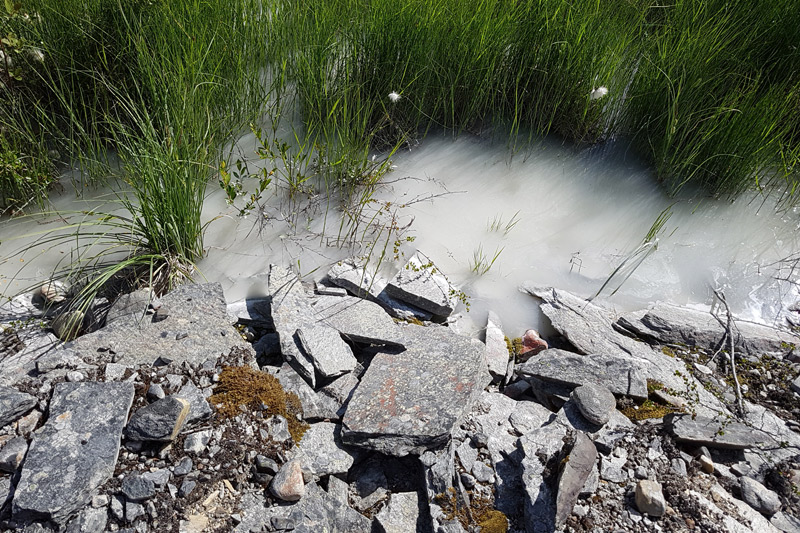
Process water carries defined, often high contaminant levels. Understand why its stable flows and composition shape treatment needs.
Extinguishing water
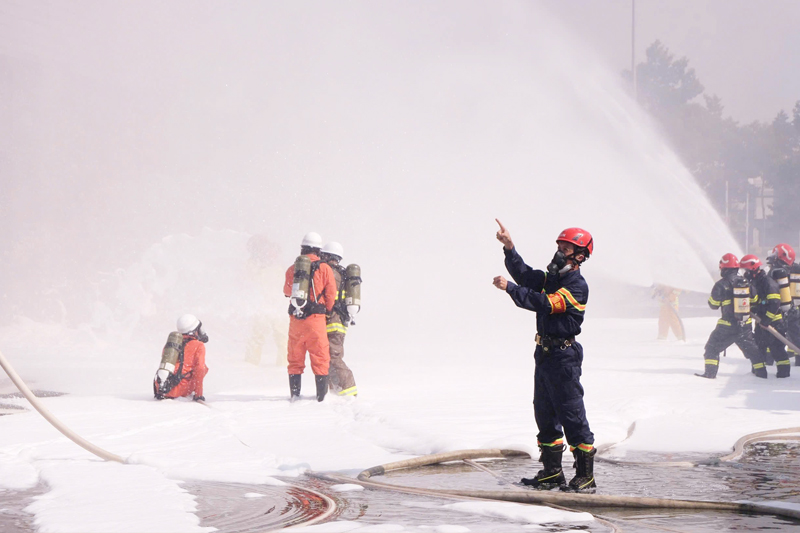
Extinguishing water often contains PFAS and other pollutants from firefighting. Learn why its composition varies and how it affects treatment.
Industrial stormwater
Industrial stormwater often contains metals, oils, and chemicals. Understand how site activities and flows affect treatment requirements.