Hydrocarbons and chlorinated hydrocarbons
Hydrocarbons consist solely of carbon and hydrogen atoms and serve as a collective term for petroleum products and other organic compounds. Chlorinated hydrocarbons have a more complex chemical structure and are used, among other things, in solvents.
Contamination from hydrocarbons may originate from fuel spills, leaking machinery, or historical pollution in the soil. These substances are problematic because they can spread quickly and negatively affect ecosystems and drinking water resources. They are also poorly soluble in water.
Chlorinated hydrocarbons are a subgroup of hydrocarbons in which one or more hydrogen atoms have been replaced by chlorine atoms. They have a more complex chemical structure and are used in the production of solvents. They are well known for their environmental and health hazards.
A common contaminant
In the water treatment projects we handle, these contaminants often originate from former industrial activities at sites that are now being redeveloped. This may include areas within industrial zones where multiple types of operations have been active. In some cases, it involves historical land, such as Masthuggskajen in Gothenburg, where residential developments have been built on ground that has hosted numerous industries and operations dating back to the 1600s.
In other cases, contamination may stem from spills or improper handling — for example, in areas near old railway yards.
Environmental Risks
- Toxic effects: Hydrocarbons can be toxic to aquatic organisms and may harm fish, plankton, and algae. Aromatic hydrocarbons such as benzene, toluene, and xylene are particularly known for their toxic effects.
- Bioaccumulation: Hydrocarbons can accumulate in organisms, causing concentrations to increase higher up the food chain — potentially exposing predators, including humans, to elevated levels of harmful substances.
- Oxygen depletion: As microorganisms break down hydrocarbons, they consume oxygen, which can lead to oxygen deficiency in the water. This can create “dead zones” where oxygen‑dependent species cannot survive. Hydrocarbons may also contribute to eutrophication, causing algal blooms. When algae die and decompose, they consume additional oxygen, worsening the oxygen depletion.
Challenges in water treatment
Hydrocarbons behave differently from metals and other inorganic contaminants:
- Many hydrocarbons float on the water surface but can also be present in dissolved form.
- They can spread quickly and cause long‑term issues even at low concentrations.
- Traditional filters often struggle to effectively capture hydrocarbons.
As a result, specialized absorbents or combinations of filter media are often used to bind oil‑based substances while allowing water to pass through.
Hydrocarbons require a different type of treatment than metals and particles. With the right technology, oil‑based substances can be effectively captured while maintaining flow without clogging the system.
Swedish Hydro Solutions has successfully used a combination of chitosan dosing and BioMedia® filtration to treat chlorinated hydrocarbons originating from cleaning chemicals — for example, at the Malmö New Hospital project.
Read more about the technology
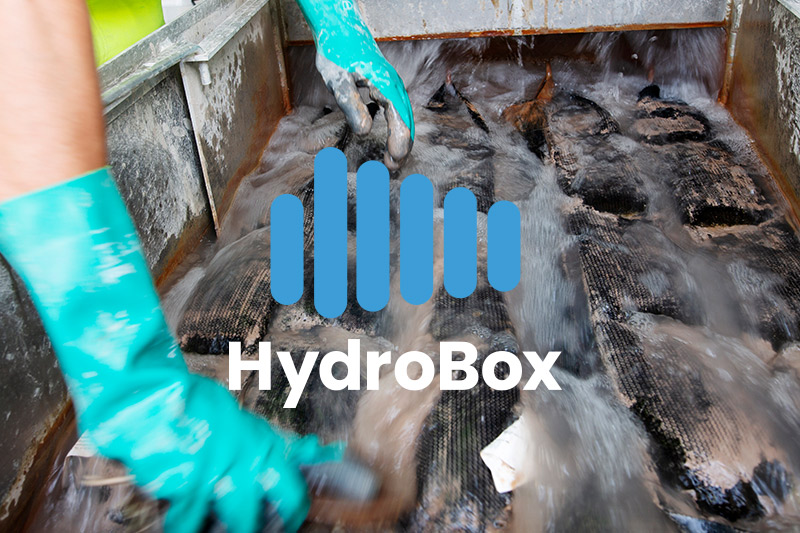
HydroBox
HydroBox doses chitosan for effective flocculation and precipitation, enabling stable treatment of turbid water and particle‑bound contaminants on site.
BioMedia® filters
Gravity filters with BioMedia® effectively remove heavy metals and reduce a wide range of organic contaminants, from oil‑based to chlorinated.

Projects involving chlorinated hydrocarbons
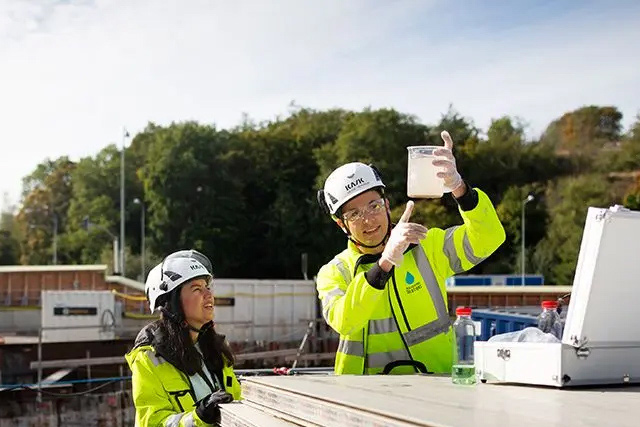
Hagalund tunneling project
Chitosan flocculation proved highly effective in large‑scale tunneling work, leading Implenia to acquire a full system for their project.
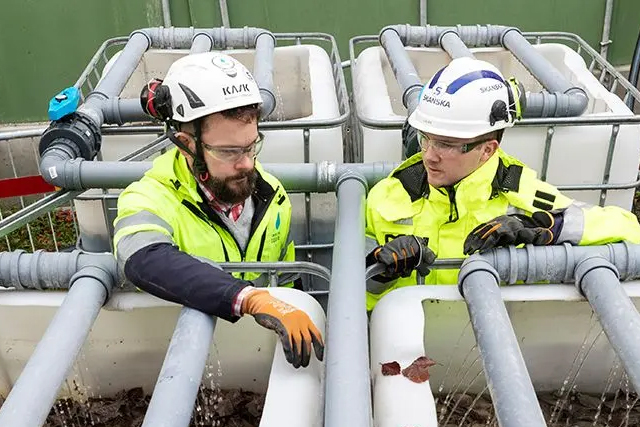
Malmö new hospital area
Groundwater at Malmö’s new hospital site contained chlorinated solvents, requiring a chemical‑free treatment solution during deep excavation.
Do you have more questions about chlorinated hydrocarbons?
Need support with treatment methods or handling hydrocarbon contamination in your project? Get in touch, and one of our specialists will guide you further.