
Extinguishing water
Extinguishing water is a type of contaminated water that needs to be managed, as it often contains high levels of PFAS from fire-fighting foam. As the name suggests, it arises during fire suppression and can contain a range of different pollutants depending on the materials and chemicals exposed during the firefighting process.
Common contaminants
Extinguishing water often contains elevated levels of PFAS, heavy metals, phthalates, oils, chemicals, and various organic substances. These are transported with stormwater to stormwater drains, which means the contaminated water reaches the stormwater network and can spread further into our watercourses.
Quick and simple solution – minimize damage at the source
When extinguishing a local fire, such as a car fire, it can be useful to have products that allow emergency services to quickly minimize the damage to stormwater. Therefore, we have developed a catch basin filter that can be installed in the drain in just a few minutes. The filter prevents hydrocarbons, dirt, sediment, and other pollutants from flowing into the stormwater drainage system. It can also be used on construction sites, industrial facilities, and parking lots.
You can read more about it here: www.swehydro.com/technology/catch-basin-filter/
PFAS in MSB’s extinguishing water treated to undetectable levels
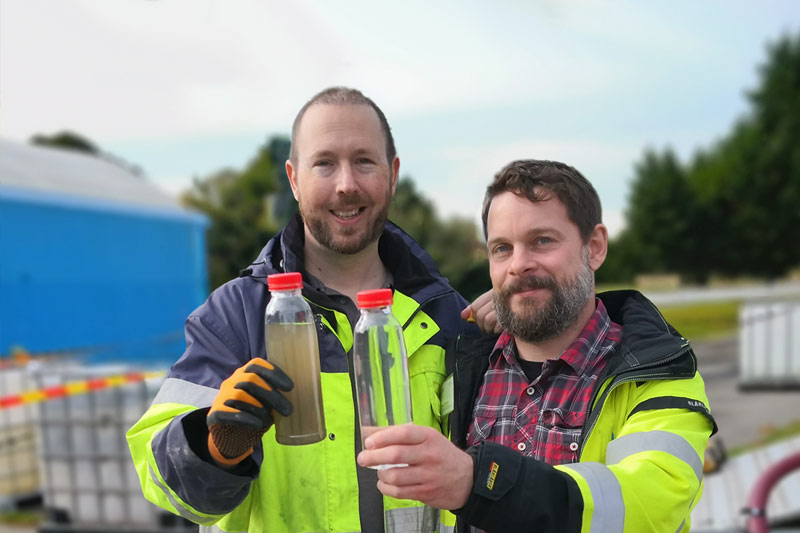
The result for BioMedia® was the removal of both PFAS and metals, with an extremely high purification rate. The filter reduced the level of PFAS (slv11) from 1050 ng/l to below the detection limit of 2.5 ng/l. At the same time, the concentration of metals – such as cadmium, chromium, nickel, iron, zinc, and copper – decreased by around or over 99% for each individual metal.
PFAS in extinguishing water treated to non-detect levels
From sky-high PFAS contaminations down to levels that are immeasurable, and over 99% treatment of a wide range of heavy metals.
Do you have more questions about extinguishing water?
Need support assessing PFAS levels or choosing the right treatment method after firefighting incidents? Get in touch, and one of our specialists will guide you further.
More water types
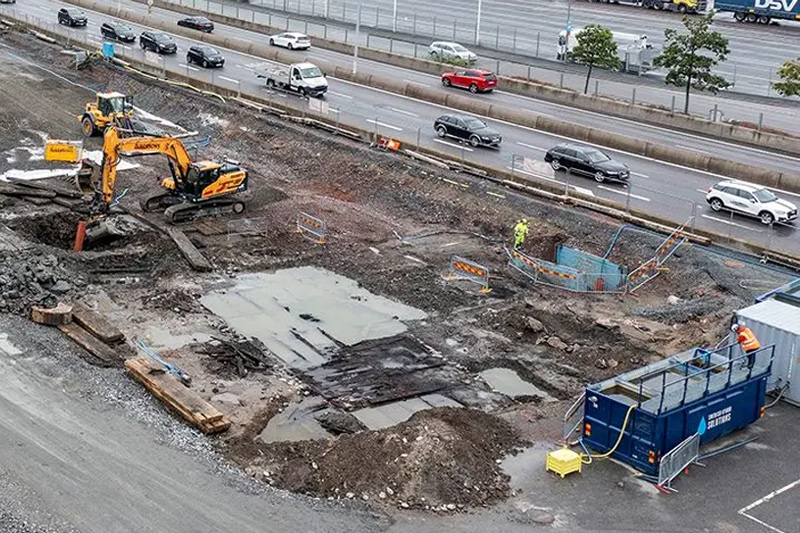
Dewatering water
Dewatering water varies with weather and site activity. Understand its flow patterns, contaminants, and what they mean for treatment.
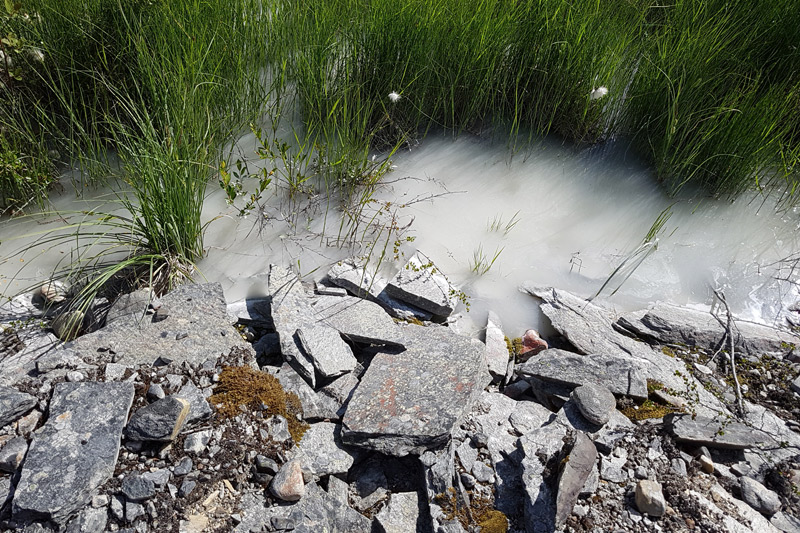
Process water
Process water carries defined, often high contaminant levels. Understand why its stable flows and composition shape treatment needs.
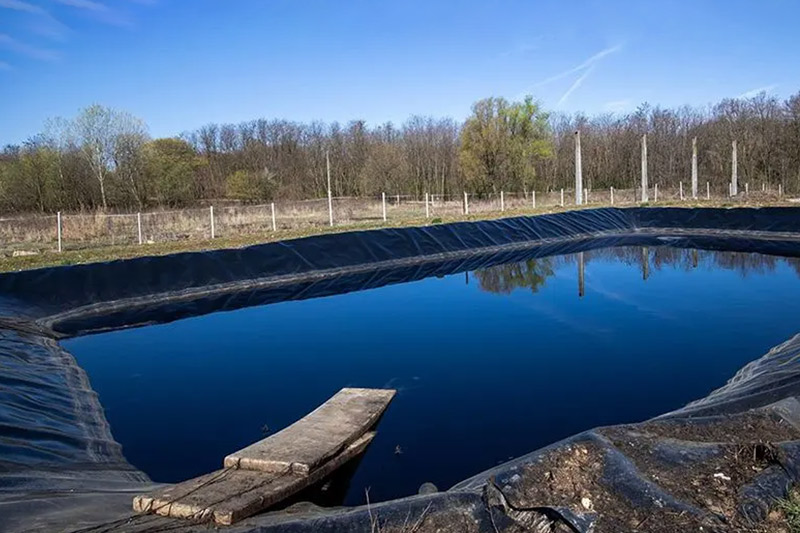
Leachate
Leachate forms when water passes through waste and picks up diverse pollutants. Learn how its fluctuating flows and complex chemistry affect treatment.