
Dewatering water
Dewatering water, also known as construction site drainage water, is a term commonly used in the construction industry. While the term is not specifically defined in legislation, it generally refers to water that has been diverted as a result of human activity. In practice, this includes rainwater, infiltrating groundwater, and process water generated by activities such as excavation, blasting, or drilling—commonly occurring in earthworks, quarries, and mining operations.
Irregular flow rates
The amount of dewatering water varies depending on weather conditions such as precipitation and snowmelt, with flows increasing after heavy rainfall and decreasing during dry periods. In addition, flows are affected by excavation work, as water accumulates in the trenches and natural drainage paths are altered. In deep excavations, groundwater can also seep in, further increasing the amount of dewatering water.
Typical contaminants and varying concentrations
Dewatering water often contains high levels of suspended solids, such as gravel, clay, and sand, which may be mixed with metals and other contaminants present in the soil. The composition and concentration of pollutants vary depending on the specific activities at the site, making it difficult to predict contamination levels in advance.
During concrete casting, elevated pH levels in the water can be an issue that requires treatment. In some cases, hexavalent chromium may also be present, necessitating specific treatment with RexOx3. Therefore, we always recommend conducting water sampling and soil investigations before starting a project, as these can often provide valuable insights into water quality.
Read about the tunneling project Johannelund, where we treated dewatering water with high levels of hexavalent chromium.
Johannelund
Over 750 liters of turbid water with chromium entered the Johannelund tunnel each minute, and treatment still reduced hexavalent chromium by 82%.
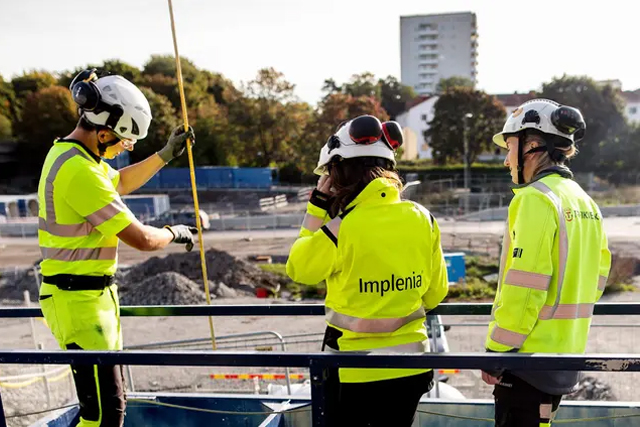
Do you have more questions about dewatering water?
Need support assessing flow conditions or determining the right treatment method for your site? Get in touch, and one of our specialists will guide you further.
More water types
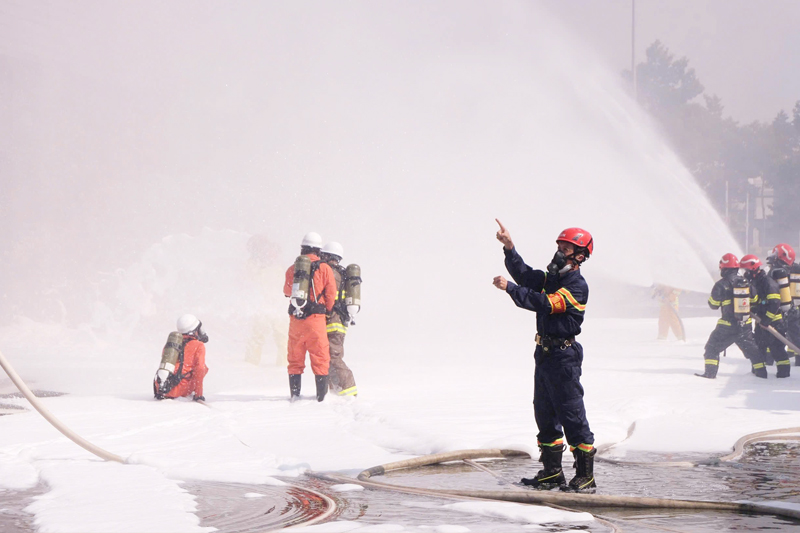
Extinguishing water
Extinguishing water often contains PFAS and other pollutants from firefighting. Learn why its composition varies and how it affects treatment.
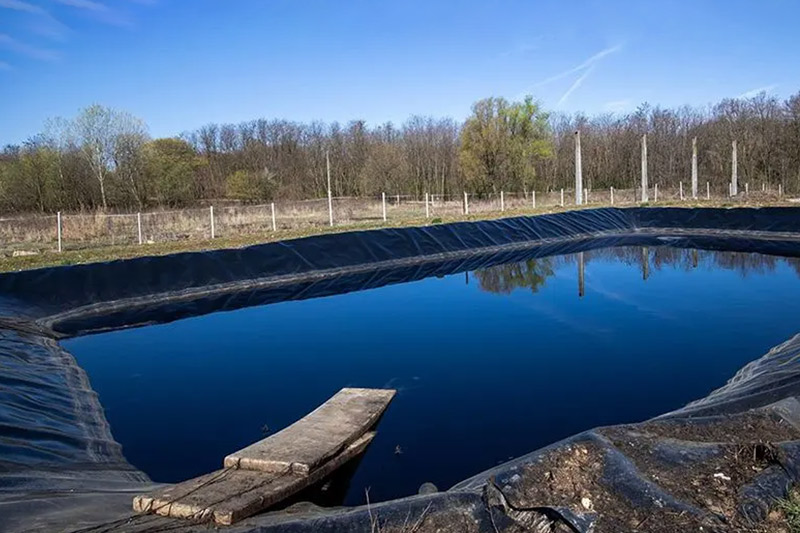
Leachate
Leachate forms when water passes through waste and picks up diverse pollutants. Learn how its fluctuating flows and complex chemistry affect treatment.
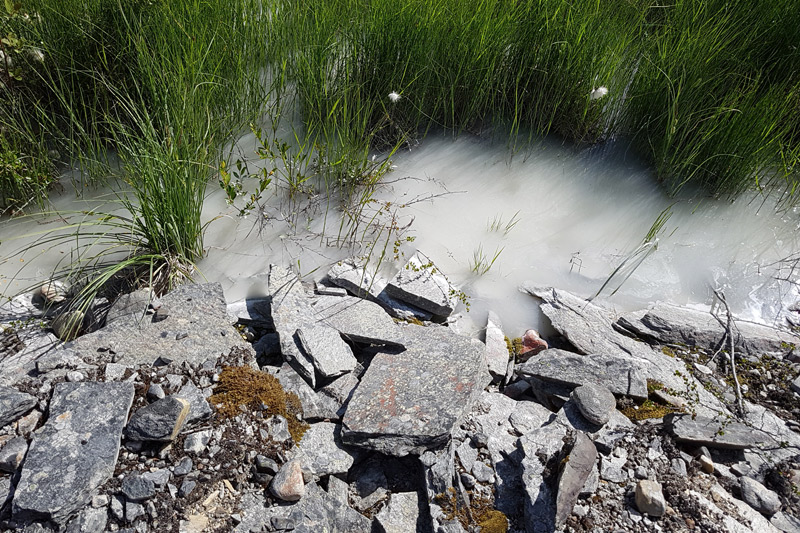
Process water
Process water carries defined, often high contaminant levels. Understand why its stable flows and composition shape treatment needs.