
Leachate

Leachate is water that has come into contact with deposited waste, which is either drained from or retained within a landfill. It primarily forms when rainwater infiltrates the landfill and when water is pressed out of the waste through compression. In older landfills, leachate can also form as groundwater or surface water enters the waste facility. The amount of leachate generated at a landfill depends on factors such as precipitation, waste decomposition, and the surrounding temperature.

Pollutants in leachate vary depending on the type of waste in the landfill, but it typically contains a mixture of suspended particles, organic matter, heavy metals such as zinc, chromium, and cadmium, as well as BOD and/or COD. It may also have high levels of nutrients like nitrogen and sulfur.


Irregular flow rates

The flow of leachate is not constant, as the amount generated depends on precipitation, meaning that flow may be higher during periods of heavy rainfall and lower during dry spells. Additionally, temperature variations can affect the rate of waste decomposition, which also influences the amount of leachate produced.


Diffuse and varying pollution impact

Leachate can contain pollutants from many different sources within the landfill, depending on the composition of the waste. Pollutants can include organic substances such as PFAS, heavy metals, and other chemicals, and they are often difficult to trace to a specific source. Furthermore, pollution levels vary based on factors such as waste decomposition, precipitation, and temperature, making leachate management more complex. Treatment may therefore require both physical and chemical processes to remove the full spectrum of contaminants.

In 2024, we delivered a facility to reduce the amount of PFAS in a utility company’s leachate. You can read more about it via the link below.

Do you have more questions about leachate?

Need support assessing contaminant levels or selecting the right treatment method for your landfill or waste facility? Get in touch, and one of our specialists will guide you further.

More water types
Water types

Industrial stormwater

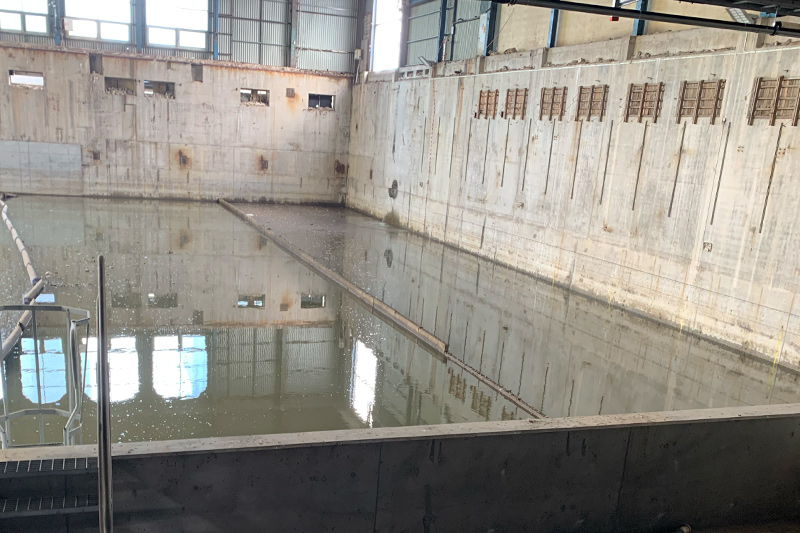
Industrial stormwater often contains metals, oils, and chemicals. Understand how site activities and flows affect treatment requirements.
Water types

Extinguishing water

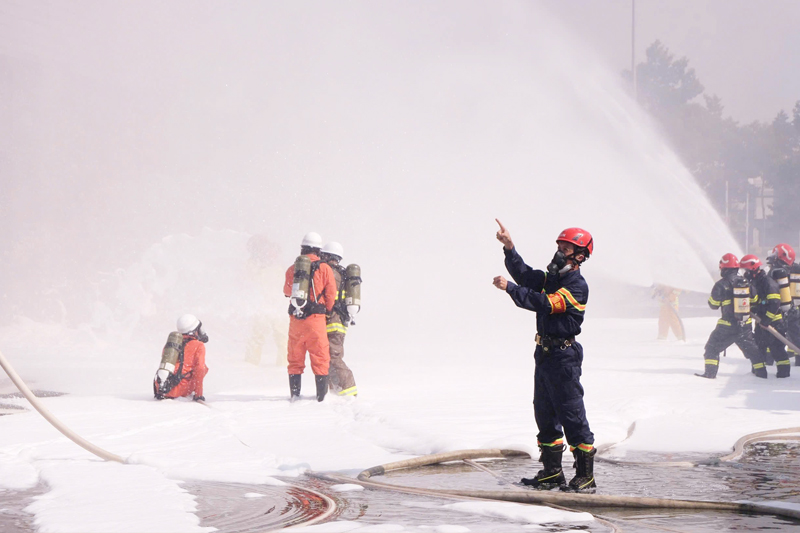
Extinguishing water often contains PFAS and other pollutants from firefighting. Learn why its composition varies and how it affects treatment.
Water types

Stormwater

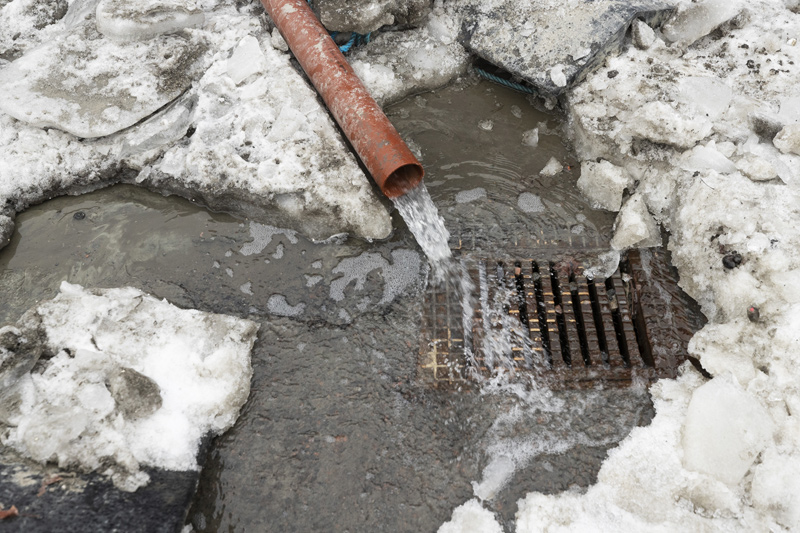
Stormwater carries varying pollutants and fluctuates with weather. Understanding these factors is key to choosing the right treatment approach.