Hexavalent Chromium (Cr VI) and its connection to cement
Hexavalent chromium is a soluble and toxic form of chromium that frequently occurs in connection with cement and concrete work. When cement comes into contact with water, chromium can be released in different forms, and part of it appears as Cr VI. As a result, water from construction projects involving concrete often contains both dissolved hexavalent chromium and particle‑bound chromium.
Why cement and concrete are a source
Cement and concrete naturally contain chromium. During manufacturing, use, and demolition, chromium can oxidize into hexavalent chromium. This occurs in several situations:
- Demolition and crushing of concrete release particles containing chromium.
- Cement injection and shotcrete generate very fine particulate material and alkaline water conditions.
- Washing and rinsing of concrete surfaces produce water with high pH and elevated levels of suspended solids.
The result is water that is strongly alkaline (pH 10–12), highly turbid, and contains chromium in various forms.
Practical challenges in treatment
When hexavalent chromium occurs in connection with cement, several challenges arise:
- High pH
Vattnet är ofta mycket basiskt, vilket påverkar hur kemiska reaktioner fungerar. Justering av pH kan därför vara en nödvändig del av reningen. - High particle content
Cement particles often bind chromium or carry chromium‑containing material. Flocculation and sedimentation are therefore important steps for removing both particles and bound chromium. - Reduction of Cr VI
To remove hexavalent chromium, it must be reduced to trivalent chromium (Cr III), a less toxic and less soluble form. Swedish Hydro Solutions therefore adds the reducing agent RedOx3 before flocculation and separation. RedOx3 is safety‑rated and holds the highest classification in the Swedish BASTA building materials assessment. - Filtration and separation
Once the chromium has been reduced and flocculated, robust separation — such as sedimentation or filtration — is required to remove the solid particles. - Sludge and residual materials
Sludge and filter residues from the process may contain chromium and must be handled as waste in accordance with applicable regulations. - Work environment
Hexavalent chromium is carcinogenic. Handling concrete‑contaminated water therefore requires protection from skin contact, dust, and splashes.
Key considerations
Hexavalent chromium in water from concrete work presents a combination of challenges: high pH, high particle content, and a contaminant that is both mobile and toxic. Effective water treatment therefore requires several steps — reduction, flocculation, separation, and proper handling of the resulting sludge.
The solution
Swedish Hydro Solutions’ proprietary reducing agent RedOx3 ensures highly effective treatment of hexavalent chromium, typically achieving removal rates between 95–99%. The reduced chromium flocculates with other particles and settles to the bottom. The resulting sludge can then be managed using methods such as dewatering tubes, tanks, or a lamella clarifier combined with a scraper tank.
Read more about RedOx3
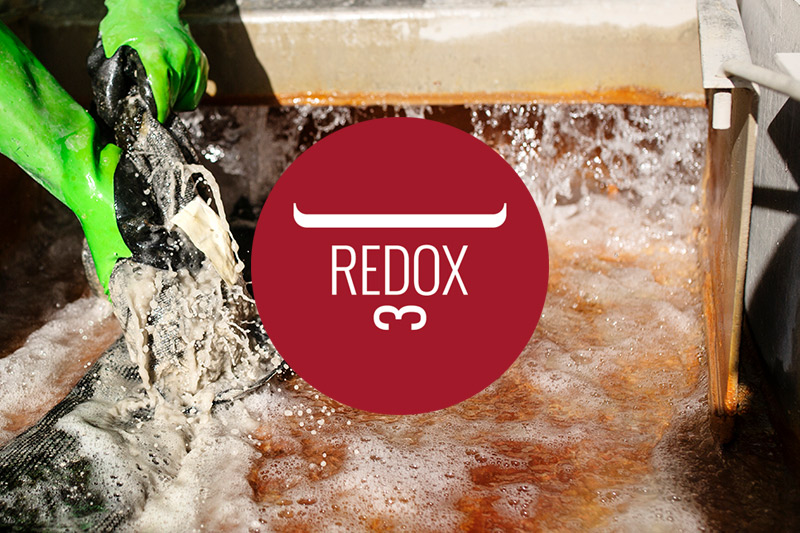
RedOx3
RedOx3 is our own reduction agent for hexavalent chromium, effectively reducing Cr(VI) in water and often achieving a 95–99% decrease.
Projects where we have managed hexavalent chromium

West Link – Central station
Project Centralen is NCC’s largest contract to date, part of the West Link in Gothenburg, where Swedish Hydro Solutions managed the water treatment.
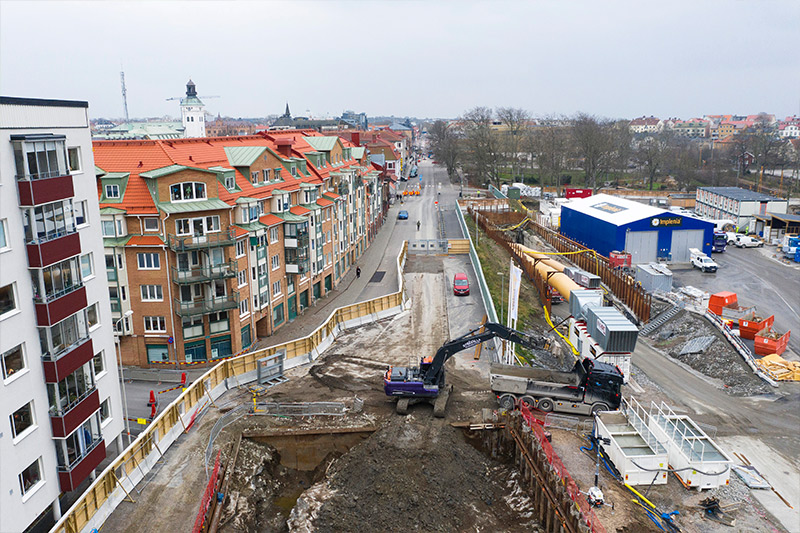
The Varberg tunnel
Stricter regulations at the Varberg Tunnel required effective chromium treatment, achieved with RedOx3 and chitosan flocculation from Swedish Hydro Solutions.
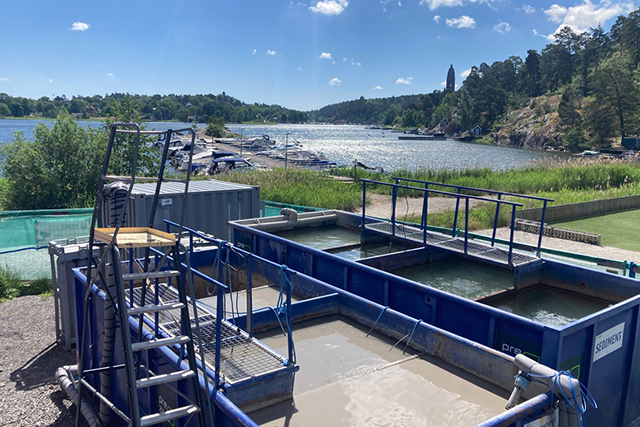
The new Näckenbadet
Open dialogue, creative solutions, and Nacka Municipality’s clear communication about the site’s history enabled an efficient full‑scale water treatment setup.
Do you have more questions about Cr VI or chromium treatment?
Need support with chromium reduction or water treatment in your project?
Get in touch, and one of our specialists will guide you further.