Industrial stormwater
Industrial stormwater primarily refers to rainwater that has come into contact with industrial activities and surfaces. Recycling facilities are an example of an industry where pollutants, such as dissolved metals, may be present in stormwater. Industrial stormwater differs from regular stormwater, particularly in terms of the types of pollutants it contains, as these are influenced by the specific activities taking place within the area.
Irregular flow rates
Just like regular stormwater, the flow of industrial stormwater can vary depending on precipitation and weather conditions. Since industrial areas are often large and water collects on many different surfaces, the flow may be concentrated in certain areas while being more dispersed in others.
Varying pollution impact and concentrations
Pollutants in industrial stormwater can originate from many different sources within the industrial area and often include chemicals, oils, and solvents from production processes. Since the water runs off large surfaces, these pollutants mix, making it difficult to precisely define all the sources. Additionally, the concentration of pollutants varies depending on the ongoing industrial activity. During certain periods, levels of dissolved metals or organic chemicals may be higher, while they may be lower at other times. This means that industrial stormwater often requires more intensive treatment before it can be discharged.
Read about the Bo Altenstam project, where we handled challenging industrial stormwater with good results.
Bo Altenstam
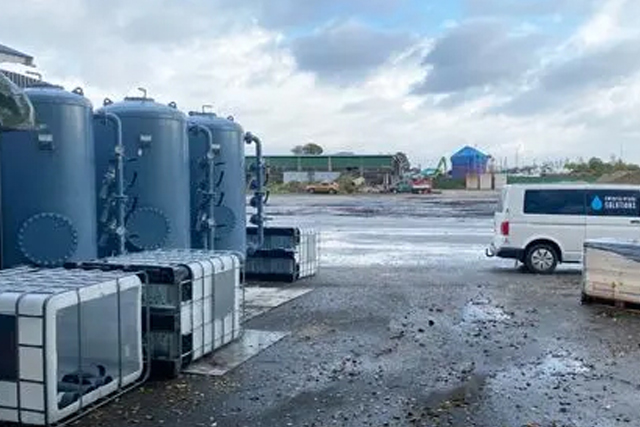
Bo Altenstam AB in Hörby is a licensed waste operator in Sweden handling cable recycling and various types of metal waste.
Do you have more questions about industrial stormwater?
Need support assessing pollutant levels or choosing the right treatment method for your site? Get in touch, and one of our specialists will guide you further.
More water types
Stormwater
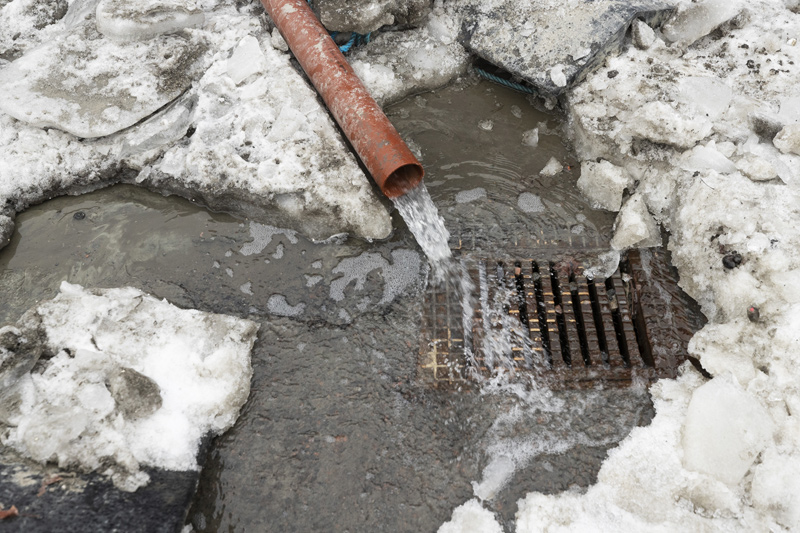
Stormwater carries varying pollutants and fluctuates with weather. Understanding these factors is key to choosing the right treatment approach.
Dewatering water
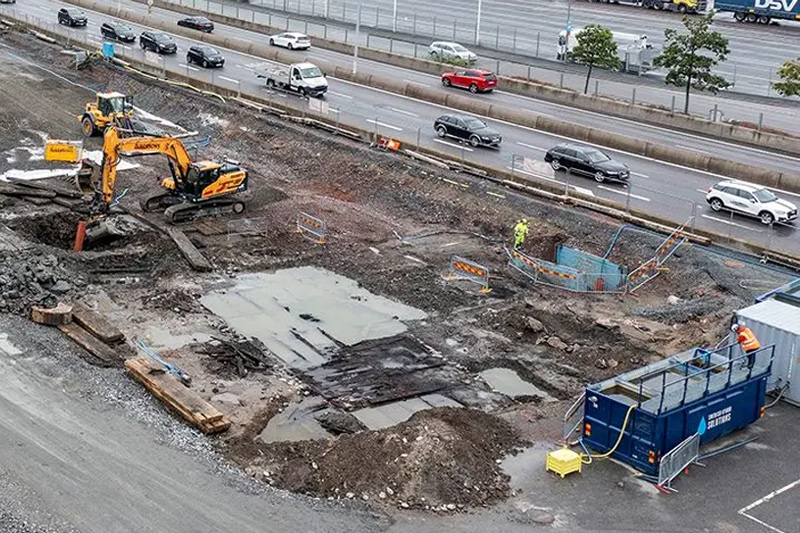
Dewatering water varies with weather and site activity. Understand its flow patterns, contaminants, and what they mean for treatment.
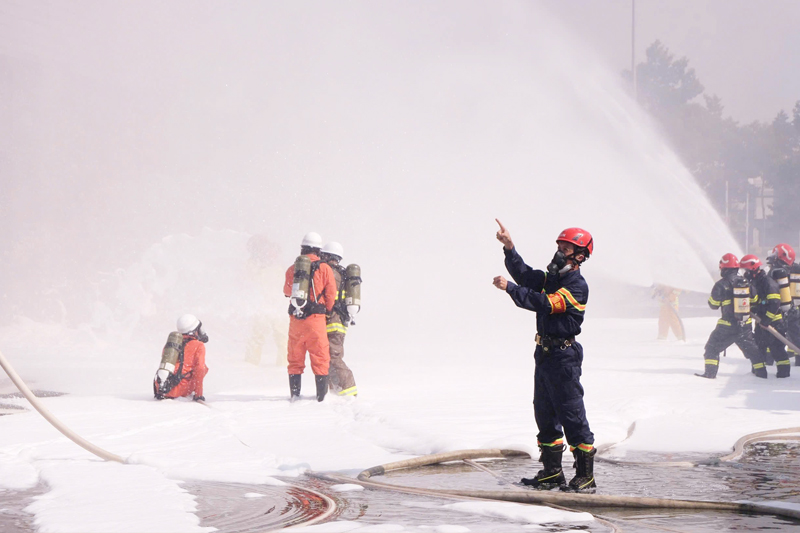
Extinguishing water
Extinguishing water often contains PFAS and other pollutants from firefighting. Learn why its composition varies and how it affects treatment.